Mammals in Virginia
77 species of mammals have a mapped range in Virginia. 27 are mapped across the whole state, among them the American Beaver, the American Mink and the Big Brown Bat.
The most restricted is the Black-tailed Jackrabbit, mapped in under 1% of the state.
The longest is the West Indian Manatee, at 13.1 ft (3,997 mm); the shortest is the Evening Bat, at 2.0 in (50 mm).
USGS marks 5 of them as introduced in the state: the Brown Rat, the House Mouse, the Roof Rat, the Coypu and the Black-tailed Jackrabbit.
The most species are mapped in Bland County (65); the fewest in Lancaster County (42).
Open-licence records in the state (34,472 of them) peak in September and are fewest in January.
The most often recorded is the White-footed Deermouse, with 12,763 open-licence records in the state.
By the trait records, 51 are active at night, 21 are active by day and by night and 5 are active by day.
They belong to 20 families; the largest here is Vespertilionidae, with 14 species.
- 42 to 46
- 47 to 50
- 51 to 55
- 56 to 59
- 60 to 65
| Species | Size | Share of Virginia | Active | Records | |
|---|---|---|---|---|---|
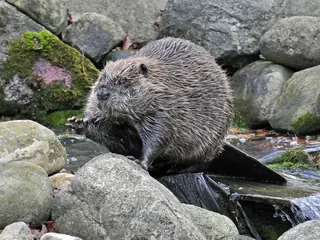 | American Beaver Castor canadensis Castoridae | 2.6 ft (777 mm) body | all | night | 364 |
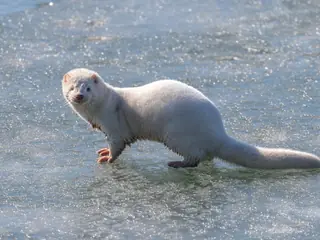 | American Mink Mustela vison Mustelidae | 17 in (430 mm) body | all | night | 74 |
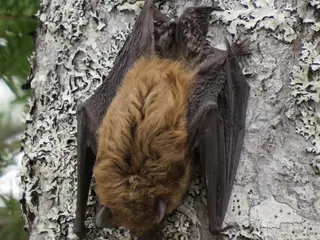 | Big Brown Bat Eptesicus fuscus Vespertilionidae | 3.0 in (75 mm) body | all | night | 207 |
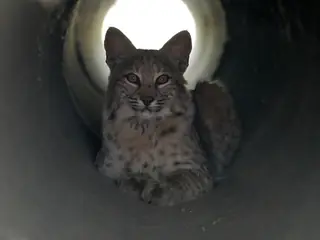 | Bobcat Lynx rufus Felidae | 3.1 ft (951 mm) body | all | night | 94 |
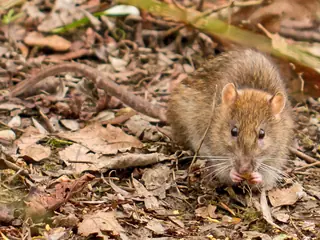 | Brown Rat introducedpossible Rattus norvegicus Muridae | 12 in (300 mm) body | all | night | 82 |
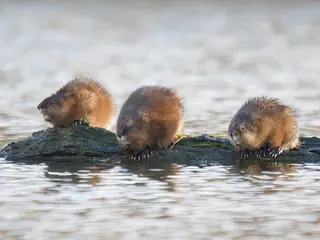 | Common Muskrat Ondatra zibethicus Cricetidae | 12 in (301 mm) body | all | night | 437 |
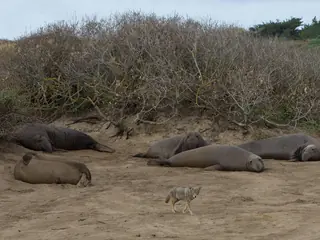 | Coyote Canis latrans Canidae | 3.0 ft (906 mm) body | all | night | 142 |
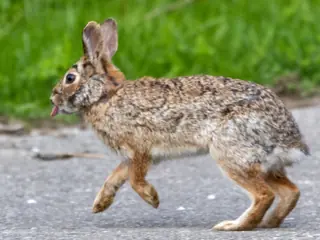 | Eastern Cottontail Sylvilagus floridanus Leporidae | 16 in (400 mm) body | all | night | 1,122 |
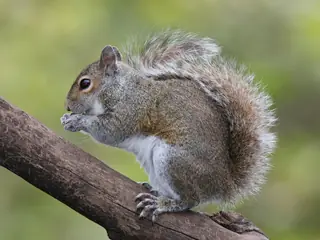 | Eastern Gray Squirrel Sciurus carolinensis Sciuridae | 12 in (315 mm) body | all | day | 2,235 |
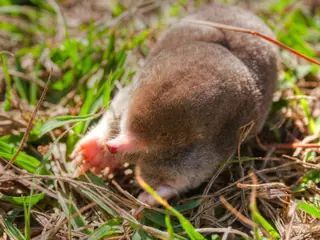 | Eastern Mole Scalopus aquaticus Talpidae | 5.8 in (148 mm) body | all | day and night | 180 |
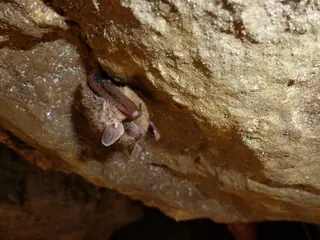 | Eastern Pipistrelle Perimyotis subflavus Vespertilionidae | 2.2 in (55 mm) body | all | night | 161 |
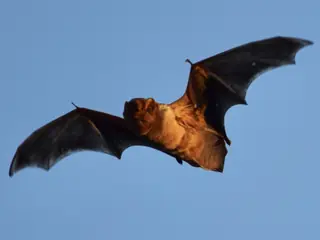 | Eastern Red Bat Lasiurus borealis Vespertilionidae | 0.5 oz (13 g) | all | night | 212 |
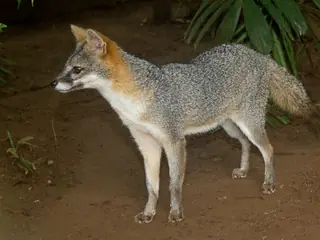 | Gray Fox Urocyon cinereoargenteus Canidae | 2.2 ft (671 mm) body | all | night | 158 |
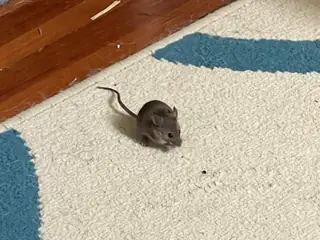 | House Mouse introducedpossible Mus musculus Muridae | 3.7 in (95 mm) body | all | night | 1,065 |
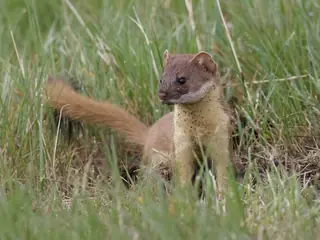 | Long-tailed Weasel Mustela frenata Mustelidae | 9.8 in (248 mm) body | all | day and night | 50 |
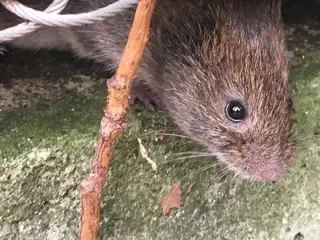 | Meadow Vole Microtus pennsylvanicus Cricetidae | 4.8 in (122 mm) body | all | day and night | 1,611 |
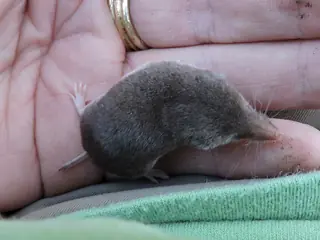 | North American Least Shrew Cryptotis parva Soricidae | 2.9 in (73 mm) body | all | night | 317 |
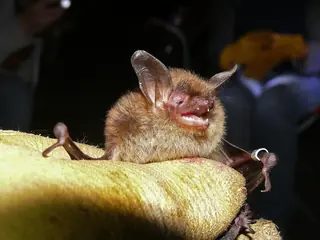 | Northern Myotis Myotis septentrionalis Vespertilionidae | 0.2 oz (6 g) | all | night | 41 |
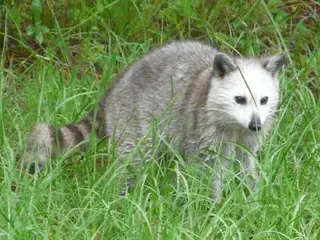 | Raccoon Procyon lotor Procyonidae | 24 in (600 mm) body | all | night | 586 |
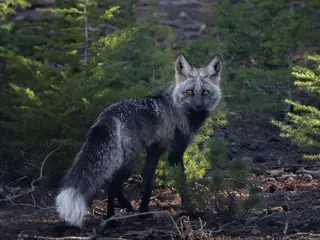 | Red Fox Vulpes vulpes Canidae | 2.1 ft (630 mm) body | all | night | 415 |
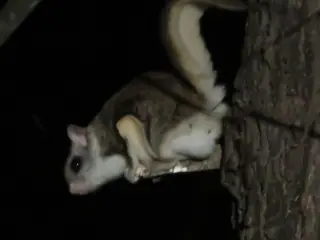 | Southern Flying Squirrel Glaucomys volans Sciuridae | 6.8 in (172 mm) body | all | night | 194 |
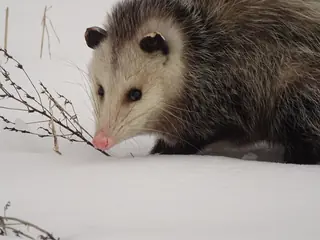 | Virginia Opossum Didelphis virginiana Didelphidae | 16 in (403 mm) body | all | night | 321 |
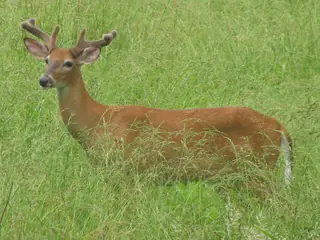 | White-tailed Deer Odocoileus virginianus Cervidae | 5.9 ft (1,807 mm) body | all | night | 1,822 |
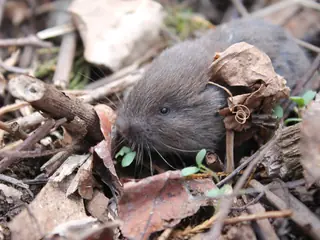 | Woodland Vole Microtus pinetorum Cricetidae | 4.1 in (103 mm) body | all | day and night | 672 |
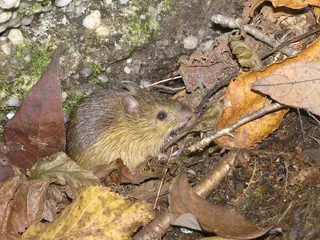 | Meadow Jumping Mouse Zapus hudsonius Dipodidae | 3.9 in (98 mm) body | all | night | 233 |
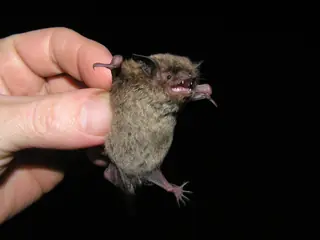 | Little Brown Myotis Myotis lucifugus Vespertilionidae | 2.1 in (53 mm) body | all | night | 160 |
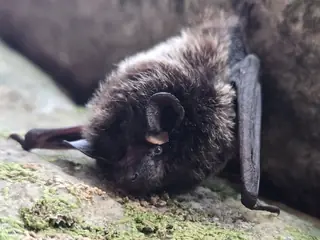 | Silver-haired Bat Lasionycteris noctivagans Vespertilionidae | 0.4 oz (11 g) | all | night | 48 |
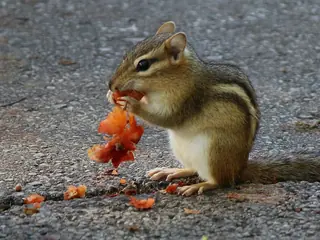 | Eastern Chipmunk Tamias striatus Sciuridae | 6.5 in (166 mm) body | 99% | day | 829 |
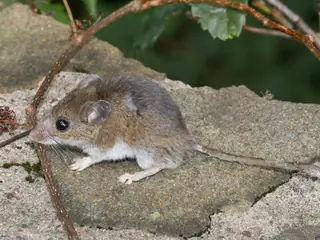 | White-footed Deermouse Peromyscus leucopus Cricetidae | 4.0 in (101 mm) body | 99% | night | 12,763 |
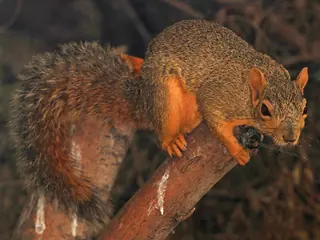 | Eastern Fox Squirrel Sciurus niger Sciuridae | 16 in (418 mm) body | 98% | day | 186 |
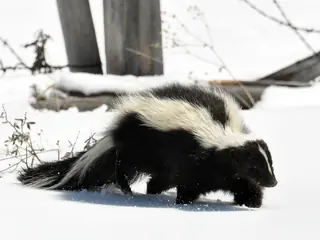 | Striped Skunk Mephitis mephitis Mephitidae | 17 in (430 mm) body | 98% | night | 130 |
| Southeastern Shrew Sorex longirostris Soricidae | 2.3 in (57 mm) body | 98% | day and night | 294 | |
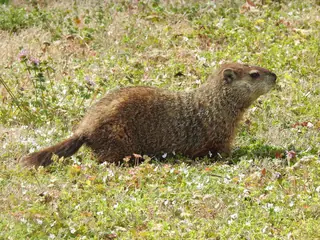 | Woodchuck Marmota monax Sciuridae | 20 in (506 mm) body | 96% | day | 337 |
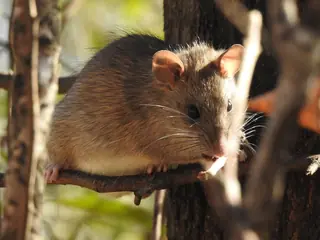 | Roof Rat introducedpossible Rattus rattus Muridae | 8.0 in (202 mm) body | 95% | night | 51 |
| American Pygmy Shrew Sorex hoyi Soricidae | 2.3 in (59 mm) body | 93% | day and night | 53 | |
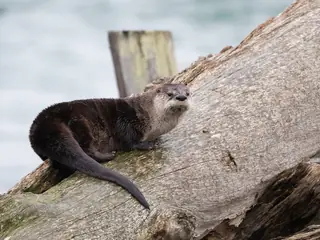 | North American River Otter Lontra canadensis Mustelidae | 2.4 ft (722 mm) body | 92% | night | 111 |
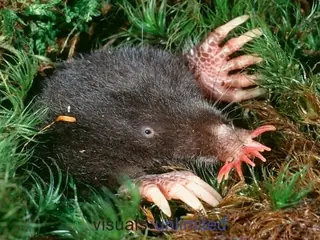 | Star-nosed Mole Condylura cristata Talpidae | 4.8 in (121 mm) body | 92% | day and night | 43 |
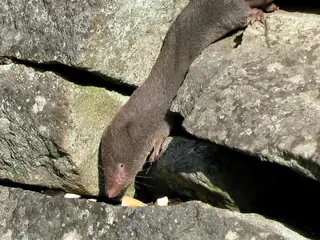 | Northern Short-tailed Shrew Blarina brevicauda Soricidae | 4.4 in (111 mm) body | 91% | day and night | 1,509 |
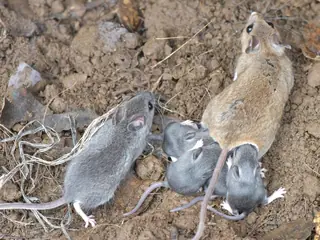 | North American Deermouse Peromyscus maniculatus Cricetidae | 3.9 in (99 mm) body | 89% | night | 2,352 |
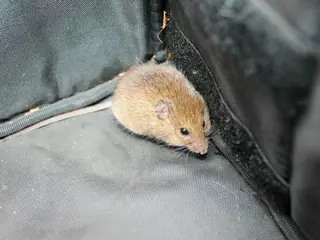 | Eastern Harvest Mouse Reithrodontomys humulis Cricetidae | 2.8 in (70 mm) body | 87% | night | 447 |
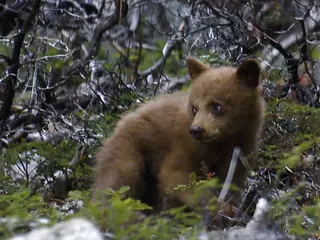 | American Black Bear Ursus americanus Ursidae | 5.2 ft (1,590 mm) body | 83% | night | 365 |
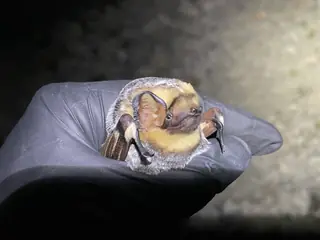 | Hoary Bat Aeorestes cinereus Vespertilionidae | 3.3 in (83 mm) body | 77% | night | 9 |
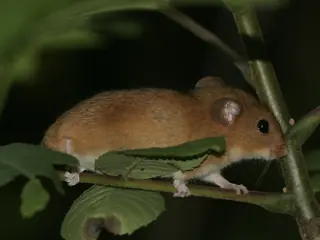 | Golden Mouse Ochrotomys nuttalli Cricetidae | 3.8 in (97 mm) body | 71% | night | 156 |
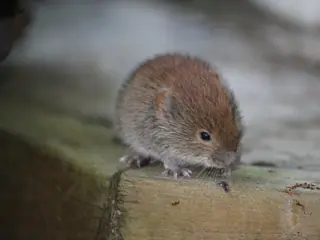 | Southern Red-backed Vole Myodes gapperi Cricetidae | 4.3 in (110 mm) body | 70% | day and night | 759 |
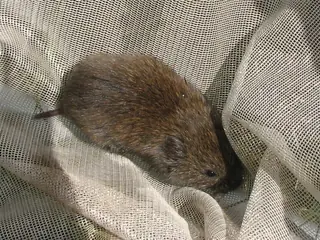 | Southern Bog Lemming Synaptomys cooperi Cricetidae | 4.6 in (118 mm) body | 65% | day and night | 151 |
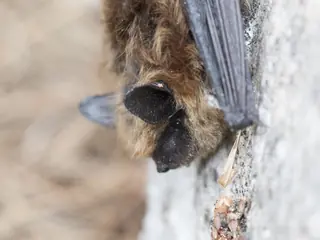 | Eastern Small-footed Myotis Myotis leibii Vespertilionidae | 0.2 oz (5.4 g) | 63% | night | 16 |
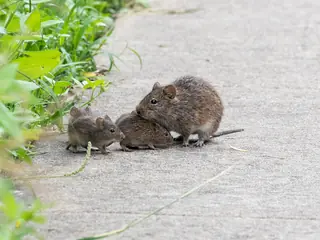 | Hispid Cotton Rat Sigmodon hispidus Cricetidae | 7.3 in (185 mm) body | 57% | day and night | 77 |
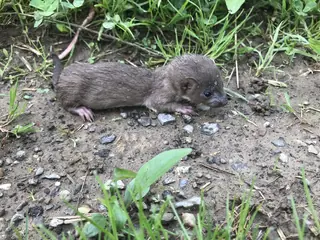 | Least Weasel Mustela nivalis Mustelidae | 10 in (260 mm) body | 55% | night | 10 |
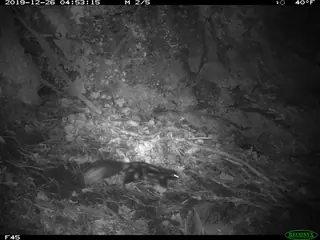 | Eastern Spotted Skunk Spilogale putorius Mephitidae | 13 in (320 mm) body | 51% | night | 9 |
 | Smoky Shrew Sorex fumeus Soricidae | 2.9 in (74 mm) body | 48% | day and night | 204 |
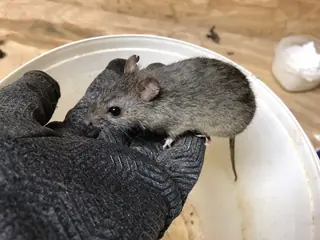 | Marsh Oryzomys Oryzomys palustris Cricetidae | 5.6 in (142 mm) body | 47% | day and night | 266 |
| Long-tailed Shrew Sorex dispar Soricidae | 2.5 in (63 mm) body | 44% | day and night | 35 | |
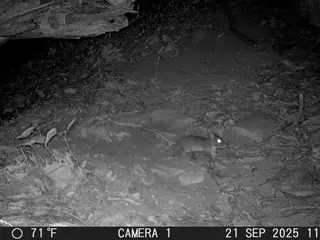 | Allegheny Woodrat Neotoma magister Cricetidae | 8.4 in (214 mm) body | 42% | night | 213 |
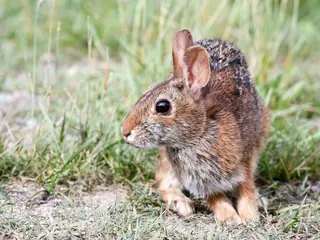 | Appalachian Cottontail Sylvilagus obscurus Leporidae | 2.0 lb (0.9 kg) | 40% | night | 31 |
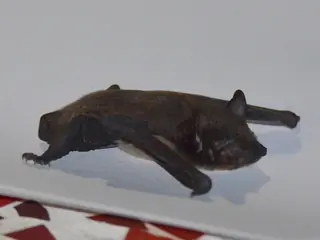 | Evening Bat Nycticeius humeralis Vespertilionidae | 2.0 in (50 mm) body | 39% | night | 59 |
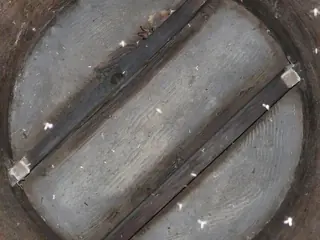 | Rafinesque's Big-eared Bat Corynorhinus rafinesquii Vespertilionidae | 0.3 oz (9.2 g) | 36% | night | 2 |
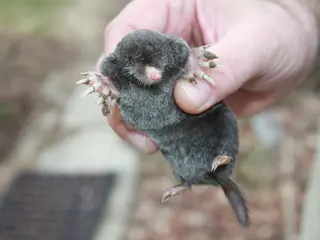 | Hairy-tailed Mole Parascalops breweri Talpidae | 5.3 in (134 mm) body | 34% | day and night | 50 |
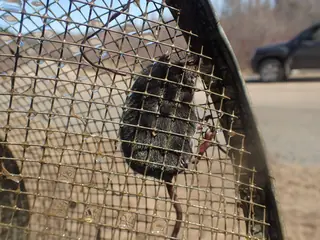 | American Water Shrew Sorex palustris Soricidae | 3.1 in (80 mm) body | 33% | day and night | 1 |
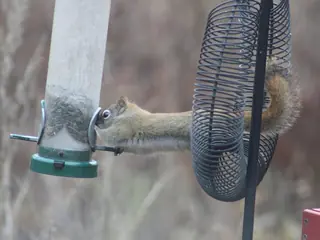 | Red Squirrel Tamiasciurus hudsonicus Sciuridae | 7.5 in (190 mm) body | 32% | day | 132 |
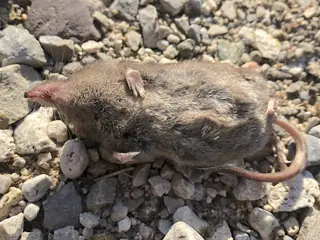 | Cinereus Shrew Sorex cinereus Soricidae | 2.7 in (69 mm) body | 27% | day and night | 232 |
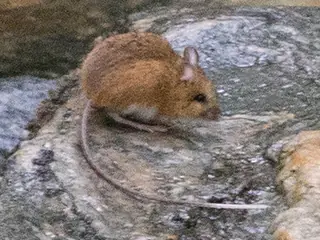 | Woodland Jumping Mouse Napaeozapus insignis Dipodidae | 3.7 in (95 mm) body | 25% | night | 232 |
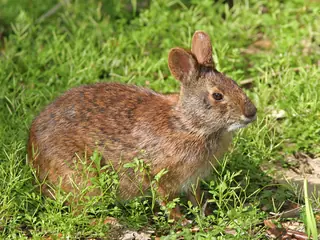 | Marsh Rabbit Sylvilagus palustris Leporidae | 16 in (406 mm) body | 23% | night | 17 |
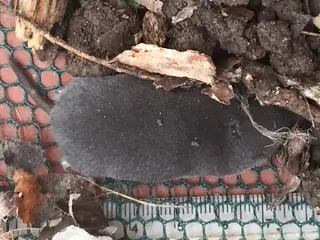 | Southern Short-tailed Shrew Blarina carolinensis Soricidae | 4.0 in (102 mm) body | 22% | day and night | 185 |
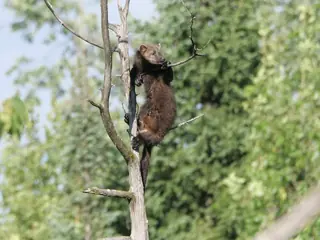 | Fisher Pekania pennanti Mustelidae | 2.3 ft (690 mm) body | 17% | day and night | |
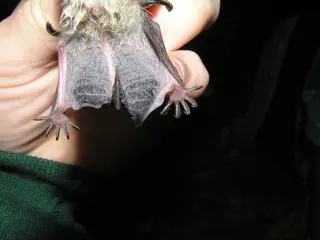 | Indiana Myotis Myotis sodalis Vespertilionidae | 2.2 in (55 mm) body | 17% | night | 246 |
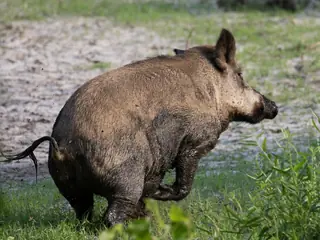 | Wild Boar Sus scrofa Suidae | 5.2 ft (1,575 mm) body | 16% | night | 11 |
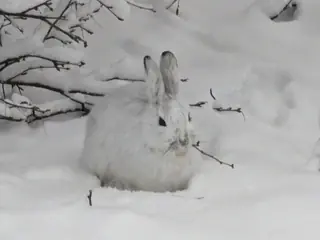 | Snowshoe Hare Lepus americanus Leporidae | 17 in (442 mm) body | 16% | night | 5 |
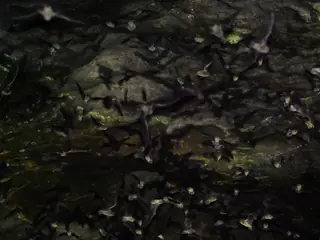 | Gray Myotis Myotis grisescens Vespertilionidae | 0.4 oz (10 g) | 13% | night | 4 |
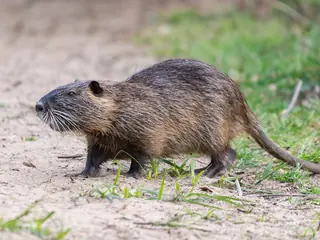 | Coypu introduced Myocastor coypus Myocastoridae | 23 in (577 mm) body | 10% | night | 14 |
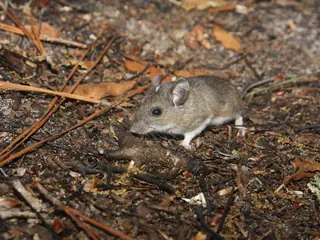 | Cotton Deermouse Peromyscus gossypinus Cricetidae | 4.0 in (103 mm) body | 8% | night | 66 |
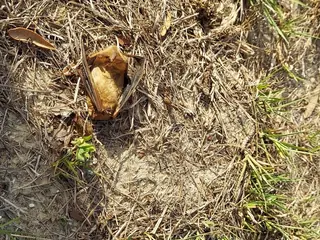 | Northern Yellow Bat Dasypterus intermedius Vespertilionidae | 3.5 in (89 mm) body | 8% | night | 1 |
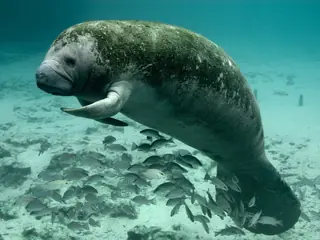 | West Indian Manatee Trichechus manatus Trichechidae | 13.1 ft (3,997 mm) body | 7% | day and night | 1 |
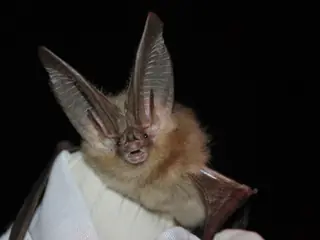 | Townsend's Big-eared Bat Corynorhinus townsendii Vespertilionidae | 2.3 in (58 mm) body | 6% | night | 14 |
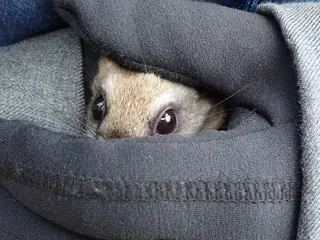 | Northern Flying Squirrel Glaucomys sabrinus Sciuridae | 11 in (268 mm) body | 6% | night | 1 |
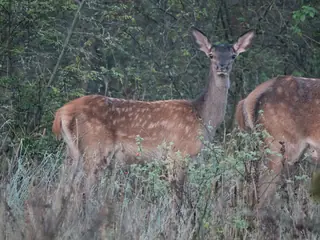 | Elk Cervus elaphus Cervidae | 7.0 ft (2,137 mm) body | 2% | night | 21 |
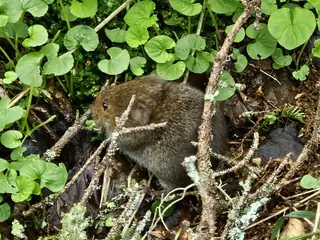 | Rock Vole Microtus chrotorrhinus Cricetidae | 4.5 in (115 mm) body | 1% | day and night | 7 |
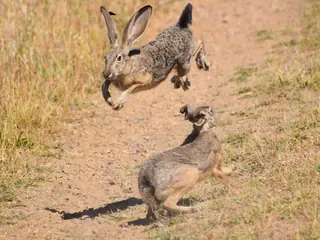 | Black-tailed Jackrabbit introduced Lepus californicus Leporidae | 20 in (505 mm) body | under 1% | night | 1 |
Share of Virginia is the part of the state inside the species' USGS range map. Size is the largest on record where the source gives a maximum, otherwise a typical adult. Records are open-licence observations and specimens in the state; a blank means none were counted, not that the species is absent.
More Virginia lists
Other groups in Virginia
Mammals in nearby states
Sources
- COMBINE: a coalesced mammal database of intrinsic and extrinsic traits. CC BY 4.0. Read 2026-11-15.
- EltonTraits 1.0. CC0. Read 2026-11-15.
- GBIF Backbone Taxonomy. CC BY 4.0. Read 2026-11-15.
- GBIF occurrence records under CC0 and CC BY 4.0. CC0 and CC BY 4.0 per record. Read 2026-11-15.
- US Census Bureau cartographic boundary files 2023. Public domain (US Census Bureau). Read 2026-11-15.
- USGS GAP 12-digit hydrologic unit range units. Public domain (USGS). Read 2026-11-15.
- USGS Gap Analysis Project Species Range Maps CONUS_2001. Public domain (USGS). Read 2026-11-15.
- iNaturalist photographs under CC0 and CC BY. CC0 and CC BY per photograph. Read 2026-11-15.
How each figure is derived is set out on the methods page.